As an experienced teacher navigating the education system, I’m occasionally confronted with obstacles that restrict my ability to foster innovation, creativity, and passion for learning in my students. For example, traditional education models often rely on lectures, exercises, and static assessments with little or no practical, student-driven engagement or agency. Luckily, the transformative potential of play-based learning is again gaining recognition in cutting-edge education communities due to its ability to engage students more profoundly while enhancing their understanding of complex concepts.
I recently taught mechatronics as part of a two-year computer engineering and programming course. Using VEX Robotics as a starting point, we’ve engaged in an amazing journey to learn coding and robotics using a gamification approach.
Incorporating play into coding and engineering education has been a revelation. By embedding play into each learning unit—learning, practicing, playing—I have observed a remarkable shift in student engagement and their eventual outcomes.
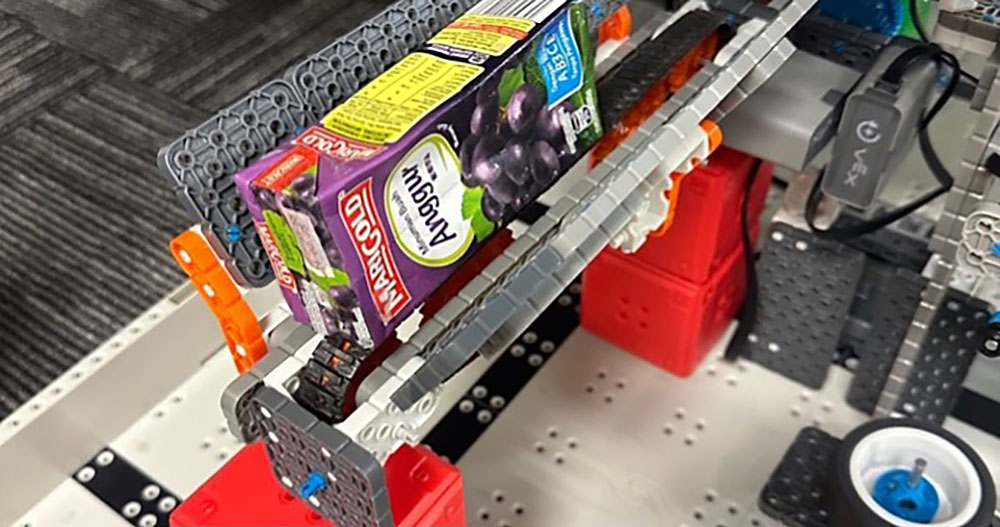
One of the most striking aspects of using VEX Robotics in my class is the intrinsic motivation students display when learning through play. By framing coding challenges as games requiring strategic thinking and problem-solving, students are not only more eager to participate; they also fully immerse themselves in the learning process. This approach offers a platform where students apply their coding and engineering skills in practical, competitive, and collaborative settings, all leading to enhanced motivation and retention. Further, a cornerstone of this approach is immediate feedback, which has also proven to be highly effective in the learning cycle.
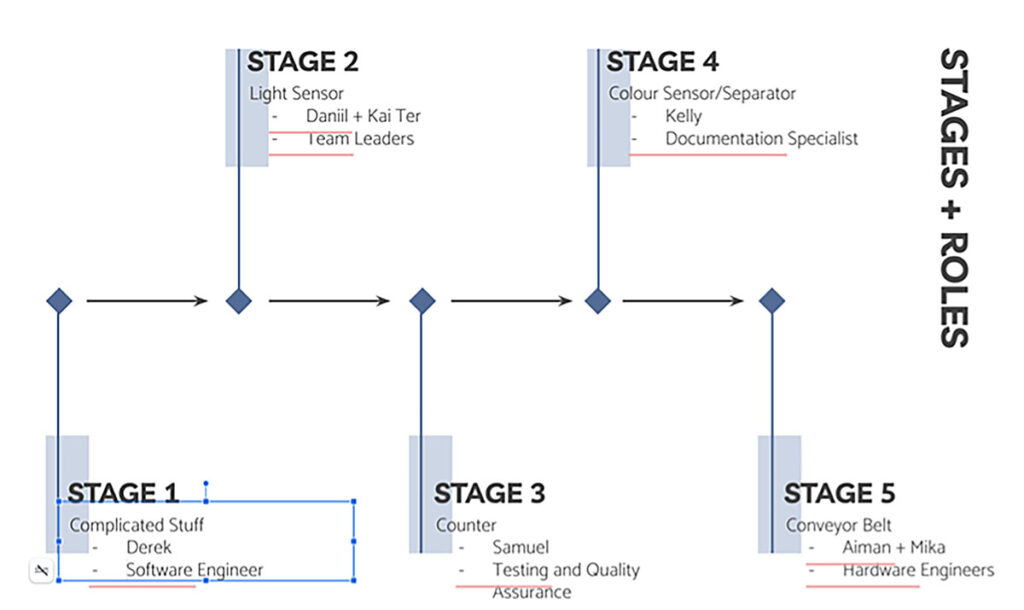
The innately competitive elements of games also stimulate creativity, innovation, and outside-the-box contemplation. By competition, I don’t refer to the declaration of winners and losers, but rather the heightened attention to detail, cause & effect, trial & error, and the extra effort expended to continue to push the performances of every student and peer beyond their previous levels of success in prior challenges. Throughout this process, they are compelled to think critically, experiment with different solutions, and iterate on their ideas. This not only deepens their understanding of coding principles but also fosters a mindset of continuous improvement and resilience. It also serves to emphasize the importance of the entire process rather than concentrating solely on initial end goals. These learned processes greatly benefit the students in future projects as they begin to realize how problem-solving actually works and why each successive process is simplified because of previous experiences. It also shatters the ceiling by allowing them to envision further goals and the need to leave no stone unturned.
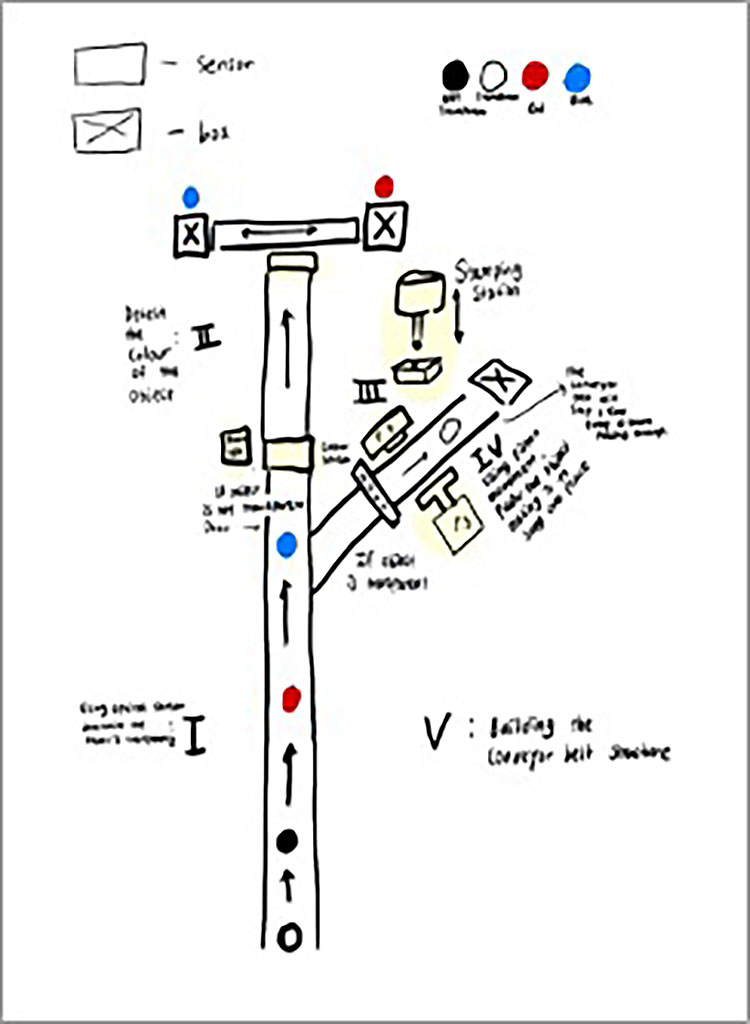
It is crucial to recognize that the benefits of play extend beyond early childhood education, as they have been proven to be valuable for learners of all ages. In many secondary schools, the focus shifts toward structured, time-restricted class sessions, standard exams, and inflexible grading, all of which fail to capture the nuances of challenge-based learning featuring practical engagement and student-centered exploration. The former delivery methods clouded the process with incomplete assessments, creating a disconnect between the content that was being graded and the actual skills and tools that must be learned at this stage of every student’s education.
It’s true, the benefits of play toward the enhancement of learning outcomes are often entirely overlooked in traditional classrooms. Despite the clear benefits, achieving success with this approach requires often-reluctant school systems to support and promote the energy that creativity and innovation generate. Otherwise, the traditional 45-minute class-and-dash structure will continue to confine and limit this potential.
We know that creativity and innovation flourish when students are given the time and space to develop organically. We also know that imposing strict time limits on idea generation, testing, and iteration stifles essential skill acquisition in learners. Without the flexibility to adapt learning experiences to students’ needs, the potential for fostering passionate, innovative, and creative learners is throttled. By now it is abundantly clear that the reliance on tedious lectures, rigid learning intentions written on whiteboards, and the reliance on step-by-step instructions spoon-fed by teachers will extinguish the very spark that educators are supposedly tasked with striving to ignite!
Luckily, the success of programs like VEX Robotics in secondary settings further exposes the importance of integrating play-based elements into the curriculum to reinvigorate students’ passion for learning.
While integrating play into coding and other areas of education can be transformative, schoolwide support and collaboration are also crucial in the promotion of student engagement to maximize their critical thinking and skill development. Educators need the freedom to deviate from restrictive structures and stale delivery methods to explore new learning opportunities on the students’ turf, thereby nurturing innovative processes that are tantamount to passionate lifelong learning. Without this flexibility, the potential to cultivate a generation of creative and proficient learners might very well remain unrealized.
In short, as professional educators, we cannot snuff out these sparks of curiosity and enthusiasm.
Originally published May 21st, 2024 on LinkedIn